This article is part of Startupcity Insights series featuring expert contributions nominated by our subscribers and reviewed by our editorial team.

Dr. Christian Tidona,  BioMed X | Startup City | Most Promising BioTech Startups in Europe

Digitization and AI at the forefront

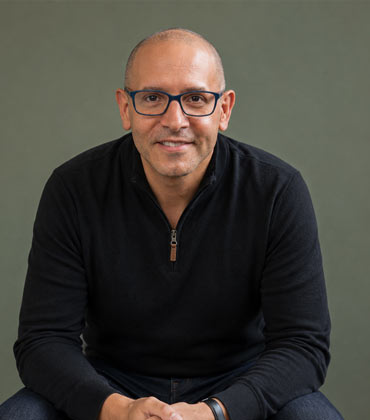
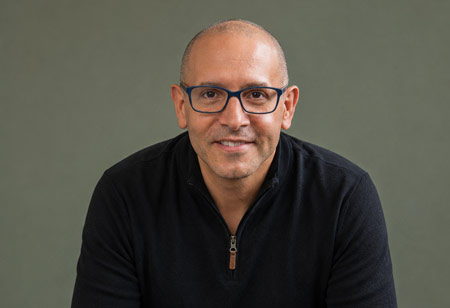
Dr. Christian Tidona, Managing Director , BioMed X

Open Science Voice

Editor’s Note: For biotechnology leaders, researchers and startup innovators, the next wave of medical progress will depend on how effectively organizations combine data, artificial intelligence and scientific collaboration. Tidona’s perspective is significant because it links technological advancement with research culture, talent development and the practical realities of accelerating biomedical discovery.

“In the midst of every crisis, lies great opportunity.” Regarding the most important trends in biomedical research for 2021, this quote by Albert Einstein seems more topical than ever before. While the COVID-19 pandemic has boosted a dynamic development of digital healthcare solutions like for example telemedicine, virtual medicine, or healthcare platforms in the past year, I similarly expect the overall research and development world to become even more digital in 2021. The development and use of artificial intelligence as a tool will be the driving force here. Today’s drug discovery and development processes are very slow and expensive. The main reason for this inefficiency is that we are very bad at predicting what a certain drug candidate will do in an actual patient. Artificial intelligence algorithms and the convergence of novel computer architectures such as next generation high performance clusters, quantum computing, and neuromorphic computing will become a key tool in the discovery and development of new medicines.


However, this development builds on the availability of reliable deep biological data and continued further investment in the development and access to AI technology. In November 2020, the European Commission announced its intention to work more closely together on a secure and patient-oriented use of health data. With one of its initiatives, the ‘European Health Data Space’, the European Commission strives to become a leading role model for an intensified exchange and access to different health data types to support healthcare delivery, health research, and health policy-making. These different European initiatives will have a straight impact also on the development and use of data in biomedical research and development.

Digital interdisciplinary collaboration as a common goal

The global challenge of COVID-19 has shown how important open innovation approaches and cross-sectoral collaboration are – especially in the fields of biomedical research and drug development. This evolution will continue. Drug development is a multidisciplinary endeavor that relies on joint efforts of highly skilled teams that embrace the concept of scientific exchange with different stakeholders to be successful. Silos and ‘silo mentality’ in biomedical research & development can lead to fragmented thinking and poor decision-making, costly hold-ups, and even contribute to the failure of entire research programs. The pathway of interdisciplinary collaboration and the integration of open innovation business models in traditional medical R&D processes will intensify and certainly establish itself globally as the best solution.

Generation Z requires new leadership approaches

Generally defined as people born between the late 90’s and 2010, the first cohort of Gen Z is now slowly but surely entering the job market. As real ‘Digital Natives’ being born into a world dominated by the internet and digitization, Gen Z grew up with a key technical skillset and a natural affinity to technological trends – features that make this generation ready to take over the job market. However, this process will pose completely new challenges for the job market. Gen Z wants a workplace that it feels connected to: Personal scope, creating impact, work-life balance, and environmental sustainability are more important than high salary or job security. To win the ‘war for talents’, this mindset will force employers to establish a culture which is inspiring, collaborative, highly diverse, and which is focused on personal growth of its employees. Accordingly, providing attractive career perspectives and an intellectually stimulating work environment to top talents on a global scale will become more and more important.

MORE FROM Insights

Visibilia

Nathalia Camillo Silva, Executive Director

Visibilia

Visibilia

Digitization and AI at the forefront

Dr. Christian Tidona, Managing Director

BioMed X

Digitization and AI at the forefront

My Top 7 Technology Predictions for 2021

Nobukhosi Dlamini, Managing Director

Bahati Tech

My Top 7 Technology Predictions for 2021

Source Meridian

Michael Hoey, Source Meridian

Source Meridian

Source Meridian


EXPLORE OUR KNOWLEDGE NETWORK


The articles and profiles featured here are based on contributions from industry leaders and editorial research. They reflect the views and expertise of the individuals and organizations featured, as reviewed by our editorial team.